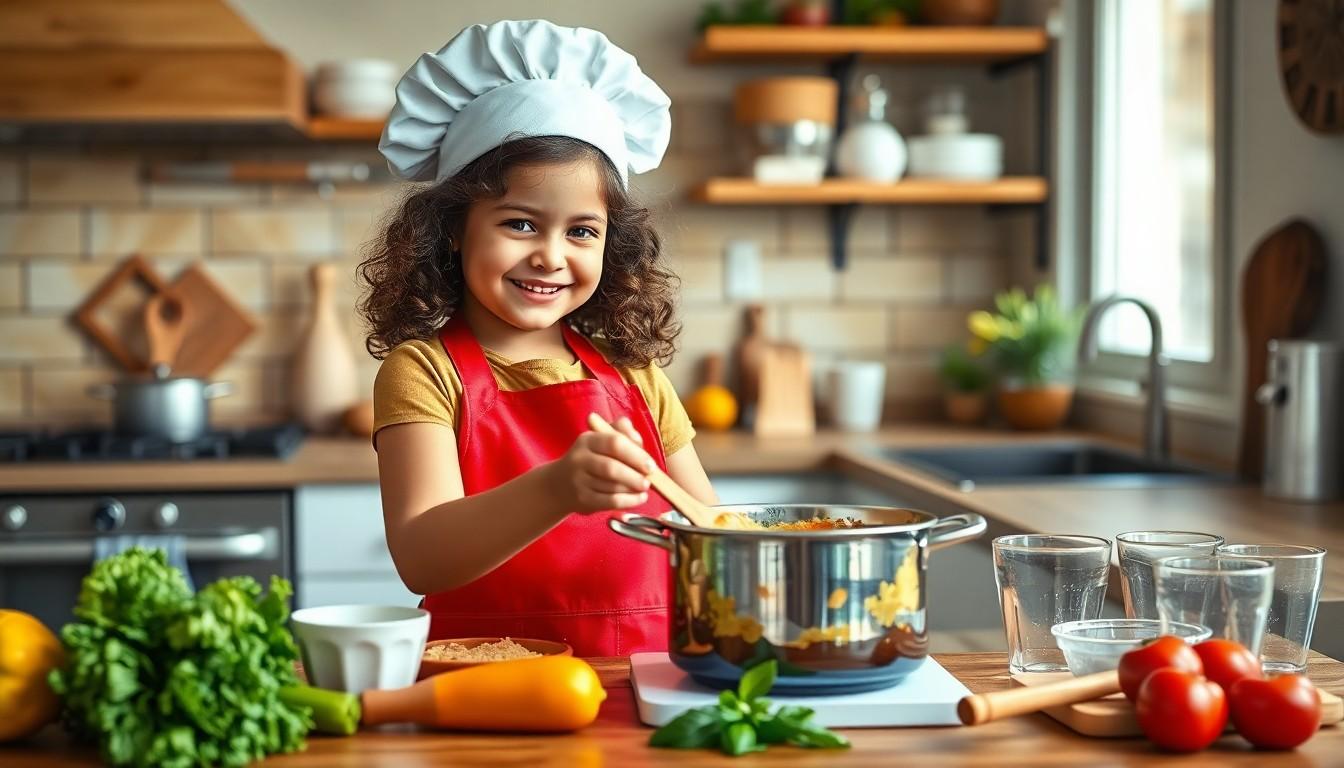
Imagine your little chef whipping up a gourmet masterpiece instead of another bowl of cereal! Cooking camps for kids offer a fantastic opportunity for young culinary enthusiasts to unleash their creativity while learning essential kitchen skills. These camps turn cooking into a fun adventure, where kids can experiment with flavors and create delicious dishes, all while making new friends and memories.
Overview of Cooking Camps for Kids
Cooking camps for kids offer an engaging atmosphere where young chefs can thrive. These camps cater to various age groups, typically ranging from 5 to 17 years old. Programs are often designed around specific themes, such as international cuisines, baking, or healthy cooking. Through hands-on activities, children gain valuable kitchen skills, from measuring ingredients to using kitchen tools safely.
Participants explore different culinary techniques and flavor combinations. Many cooking camps incorporate essential lessons on nutrition and food safety. By teaching these concepts, camps prepare kids for responsible cooking at home.
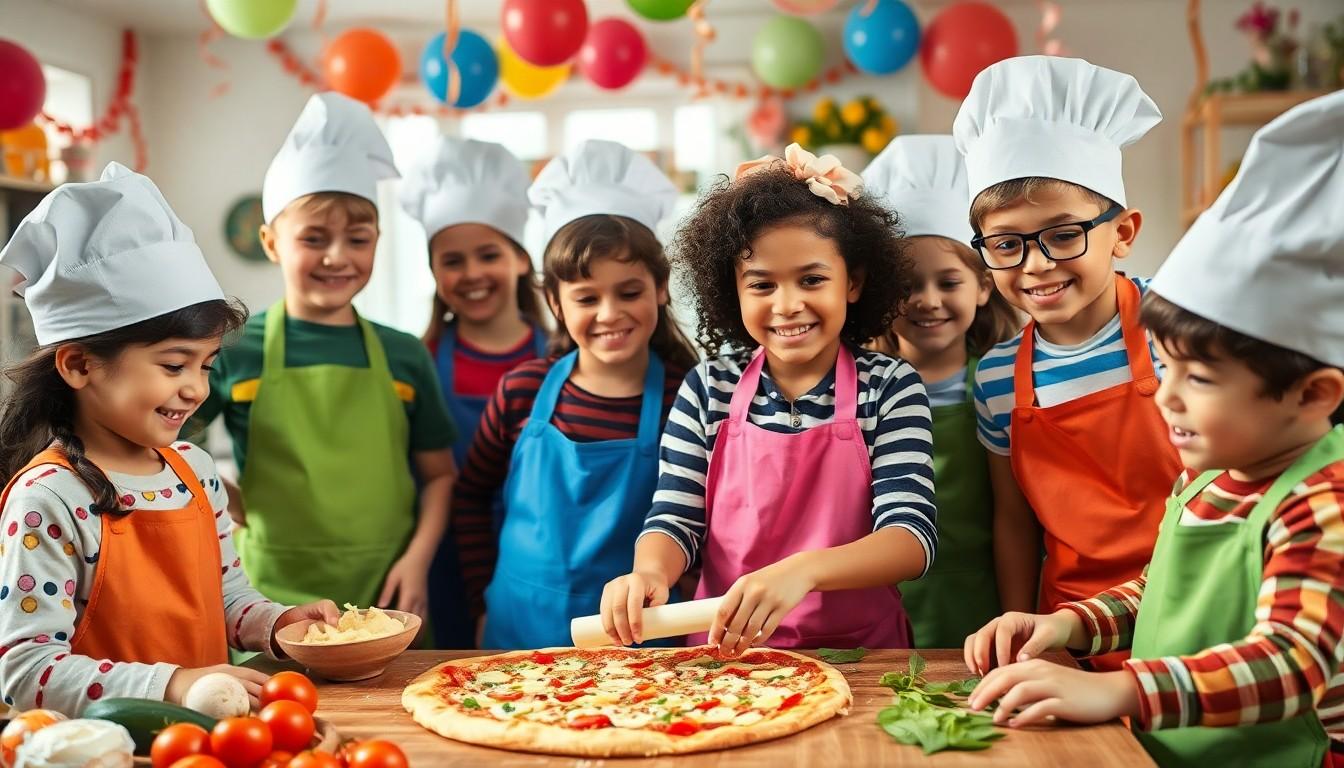
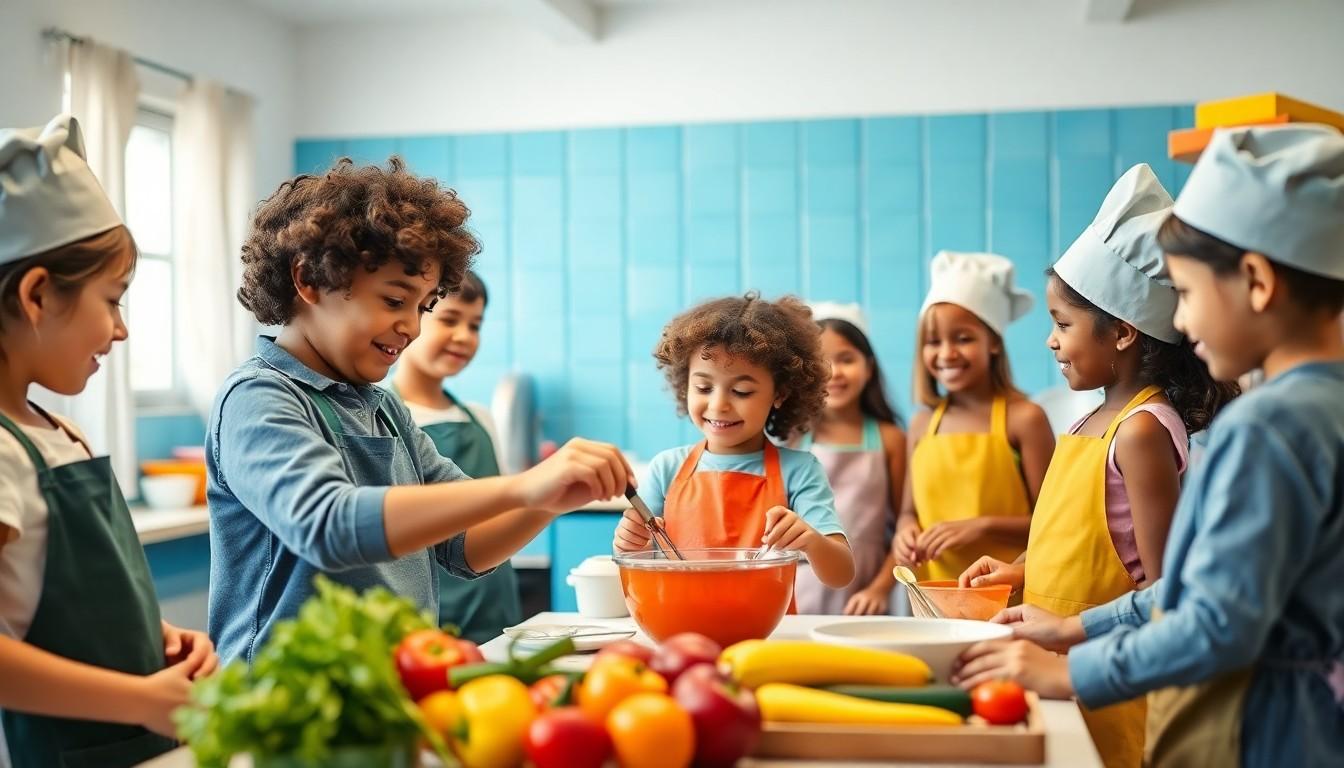
Social interaction plays a key role at these camps. Children collaborate in group activities, enhancing teamwork and communication skills. New friendships often form over shared cooking experiences, making the camps even more enjoyable.
Camps frequently conclude with a showcase event where kids present their creations. Families are invited to taste the dishes, fostering a sense of pride in their accomplishments. Various local options exist, including summer camps, weekend workshops, and after-school programs.
Researching nearby cooking camps involves checking local community centers, culinary schools, or dedicated cooking studios. Most camps provide schedules and pricing details on their websites, making it easier for parents to find suitable options.
Benefits of Cooking Camps

Cooking camps offer numerous advantages for children, enriching their lives both in and out of the kitchen. Participants gain hands-on experience that translates into essential life skills.
Skill Development
Skill development stands out as a primary benefit. Young chefs learn to measure ingredients accurately, follow recipes, and utilize kitchen tools. Mastering these skills builds confidence in the kitchen. Additionally, kids explore culinary techniques ranging from chopping to baking, ensuring a comprehensive understanding of food preparation. They also gain insights into nutrition, enhancing awareness of healthy eating choices. Cooking camps strengthen dexterity and focus, promoting patience and attention to detail. Engaging in cooking enhances critical thinking skills as children troubleshoot issues during meal preparation. Overall, these practical skills serve children in daily life, inspiring future culinary endeavors.
Social Interaction
Social interaction is another significant aspect that enhances the camp experience. Children work in teams, allowing for collaboration and communication. Building friendships occurs naturally through shared cooking activities. Young chefs support each other while creating dishes, fostering a sense of community. Participating in group projects nurtures teamwork abilities, essential in many life situations. Events such as group challenges further promote camaraderie and healthy competition. Camp showcases allow kids to present their creations to family and friends, boosting their confidence and social skills. These interactions lay the groundwork for lasting friendships and a supportive network among peers.
Types of Cooking Camps
Cooking camps come in various formats, providing unique experiences for children. Two popular options are day camps and weekend retreats.
Day Camps
Day camps typically run for a week, offering daily sessions filled with engaging culinary activities. Kids often explore different cooking techniques and regional cuisines, enhancing their skills. Activities might include hands-on cooking classes and fun challenges. Participants collaborate to create dishes, promoting teamwork while learning essential kitchen safety practices. Some camps emphasize nutrition education, guiding kids toward healthy eating habits. Young chefs may also have the opportunity to showcase their creations at the end of the week, delighting family members with their newfound abilities.
Weekend Retreats
Weekend retreats present a more immersive experience, usually spanning two to three days. These camps often focus on specific themes, such as baking or international cuisines. Children dive deep into the culinary arts, participating in intensive cooking sessions. Engaging activities might include shopping for ingredients, creating meal plans, and cooking communal meals. Interaction with instructors tends to be more personalized, allowing kids to ask questions and refine their techniques. Social bonding often occurs through shared cooking experiences, making these retreats memorable for young chefs.
How to Choose a Cooking Camp
Choosing the right cooking camp involves several key factors. Assessing these factors ensures that kids enjoy their culinary experience while gaining practical skills.
Location Considerations
Proximity to home significantly affects convenience. Parents benefit from selecting camps nearby to simplify transportation. Research local options, focusing on community centers, culinary schools, or specialized cooking studios. Seasonal availability can also play a role, with summer camps often experiencing higher enrollment. Explore reviews and testimonials for insights into each camp’s atmosphere and engagement level. Ultimately, finding a suitable location enhances both accessibility and community involvement in a child’s culinary journey.
Age Appropriateness
Age-appropriate camps foster a better learning environment. Camps cater to various age groups, typically ranging from 5 to 17 years old. Programs tailored for younger children often emphasize fun and basic skills. Older kids might engage in more complex culinary tasks and explore advanced techniques. Parents should consider the camp’s curriculum and ensure it aligns with their child’s interests and expertise. Aligning age and skill level enhances confidence and receptivity, making culinary exploration enjoyable and educational.
Popular Cooking Camps Near Me
Several cooking camps cater to young chefs across various age groups and skill levels. Local community centers offer a range of options, with day camps designed for children aged 5 to 17. Each camp focuses on different themes, such as international cuisines, healthy cooking, or baking techniques. For example, the “Junior Chefs Camp” introduces kids to Asian cuisine, allowing them to explore versatile flavor profiles.
Culinary schools often host summer sessions, giving campers a taste of professional cooking environments. Programs at these schools emphasize kitchen safety and refine skills like measuring and using tools. Specialty camps, such as “Baking Bonanza,” highlight the art of creating delightful pastries and desserts. Each camp typically includes hands-on activities that enhance children’s confidence in their culinary abilities.
Parents can also consider weekend retreats for immersive experiences. These camps provide extended time for deeper exploration of cooking techniques. “Farm to Table Camp,” for instance, combines cooking education with a focus on nutrition and sustainable practices, engaging kids with fresh, local ingredients.
Researching local cooking studios often reveals additional opportunities. Many studios offer themed workshops that align with seasonal events or holidays. A quick search might uncover options like “Holiday Treats Camp,” where kids learn to bake festive goodies.
Exploring camp reviews and schedules can help parents identify the best fit for their child’s interests. Considerations like location and age appropriateness play a crucial role in selection. Engaging culinary experiences foster valuable social interactions and lasting friendships among campers. High-quality camps focus on both skill development and a supportive learning environment, ensuring that each child comes away with new abilities and cherished memories.
Conclusion
Cooking camps for kids offer a unique opportunity for young culinary enthusiasts to explore their passion in a supportive environment. By engaging in hands-on activities and collaborating with peers, children not only develop essential cooking skills but also foster friendships that can last a lifetime.
With various options available, parents can find camps that align with their child’s interests and age group. Whether it’s a themed day camp or a weekend retreat, these experiences cultivate creativity and confidence in the kitchen.
Investing in a cooking camp can be a rewarding decision that enriches a child’s life with valuable skills and unforgettable memories.