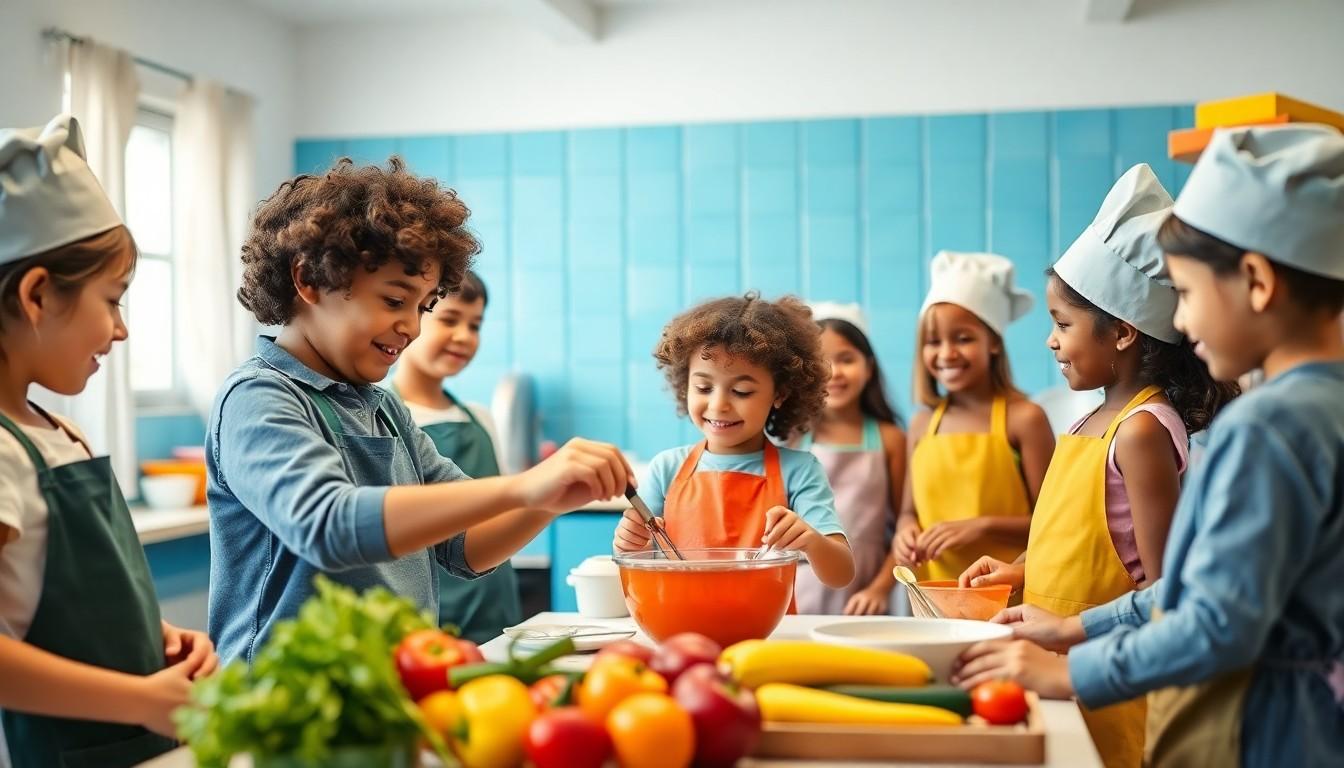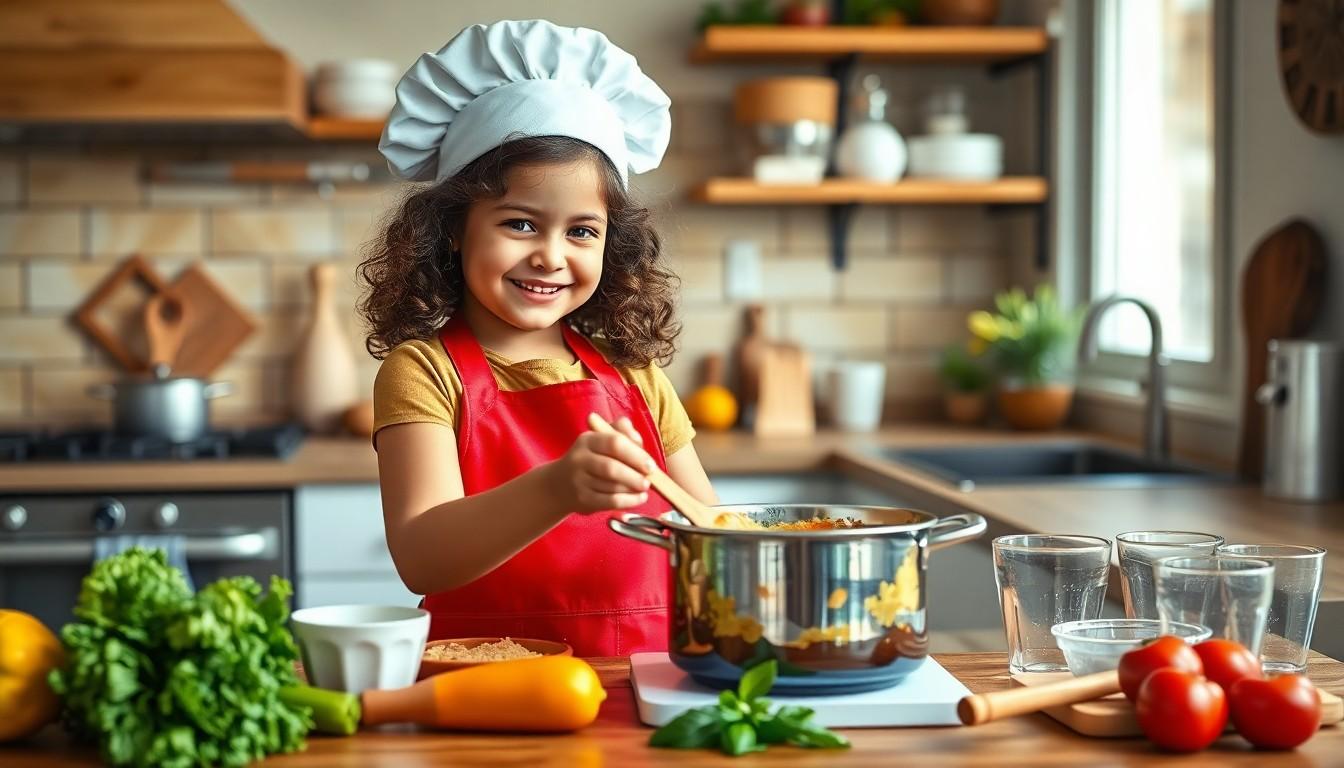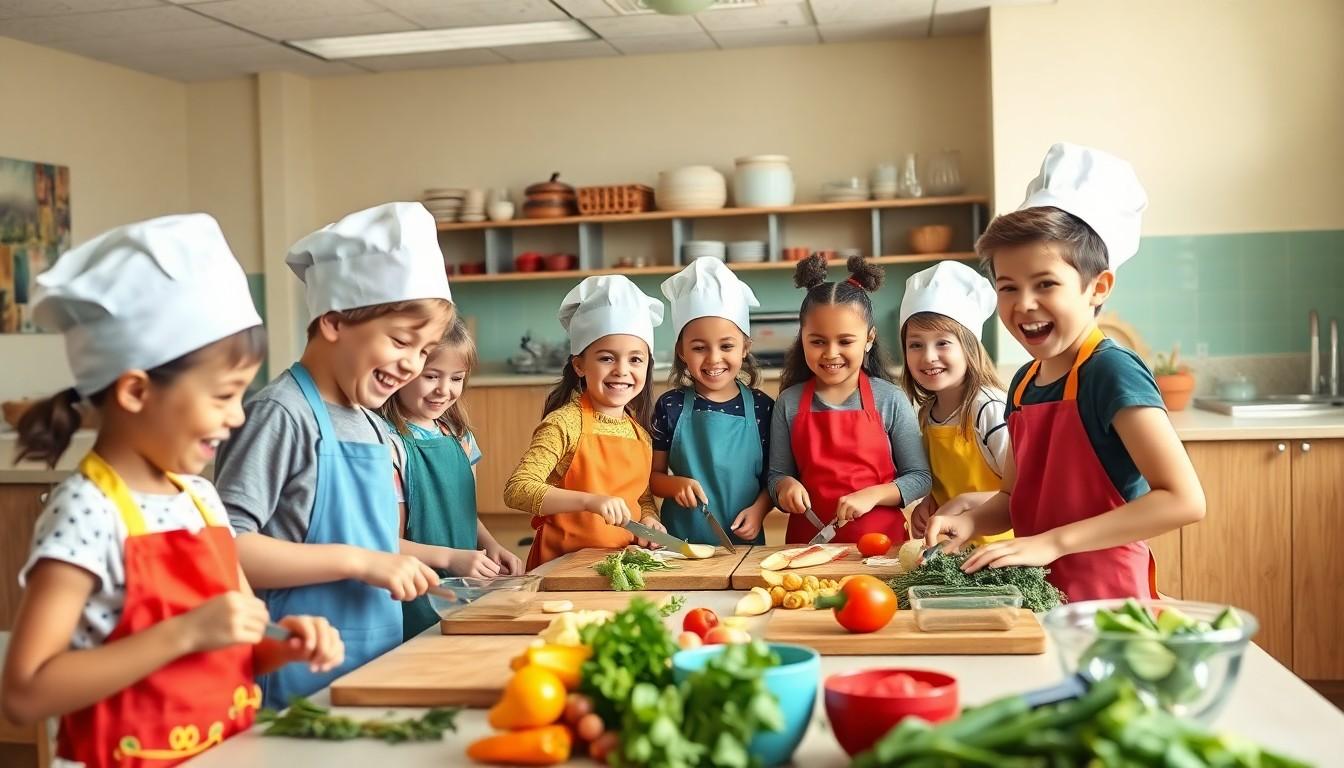
In a world where kids can master the art of video games but struggle to crack an egg, cooking classes near them are the perfect recipe for fun and learning. Imagine the joy on their faces as they whip up delicious dishes instead of just reheating frozen pizza. These classes not only teach essential culinary skills but also spark creativity and confidence in the kitchen.
Overview of Cooking Classes for Kids
Cooking classes for kids offer a unique blend of fun and education. These programs teach children essential culinary skills that parents often desire them to learn. Classes typically range from basic meal preparation to advanced cooking techniques, ensuring age-appropriate instruction.
Instructors usually focus on creating a welcoming environment. Many employ hands-on activities to keep students engaged. Children learn to chop vegetables, measure ingredients, and follow recipes, fostering independence in the kitchen.
Skill development comes alongside learning about nutrition. Many classes emphasize the importance of healthy eating and balanced meals. Kids gain exposure to various food groups, which can inspire broader food preferences and curiosity about cooking.
Social interaction also plays a significant role in these classes. Children have opportunities to work alongside peers, building teamwork and communication skills. Engaging with others over shared tasks helps them make friends and develop social confidence.
Safety is paramount during cooking lessons. Instructors provide guidance on safe food handling and kitchen practices. Children learn to respect tools, ingredients, and cooking processes, which enhances their safety awareness.
Locations offering cooking classes for kids vary widely. Community centers, local culinary schools, and specialized cooking studios frequently host programs. Parents often find options in their neighborhoods, making it convenient to enroll their kids.
Programs often feature themed classes. Seasonal themes, holiday-specific dishes, or international cuisines encourage creativity and exploration. This approach allows children to experience different cultures through cooking, making lessons even more enjoyable.
Ultimately, cooking classes for kids create lasting benefits. They promote skill development, confidence, and a love for cooking. Parents value these experiences, knowing they contribute to their children’s growth and development in the kitchen.
Benefits of Cooking Classes for Kids
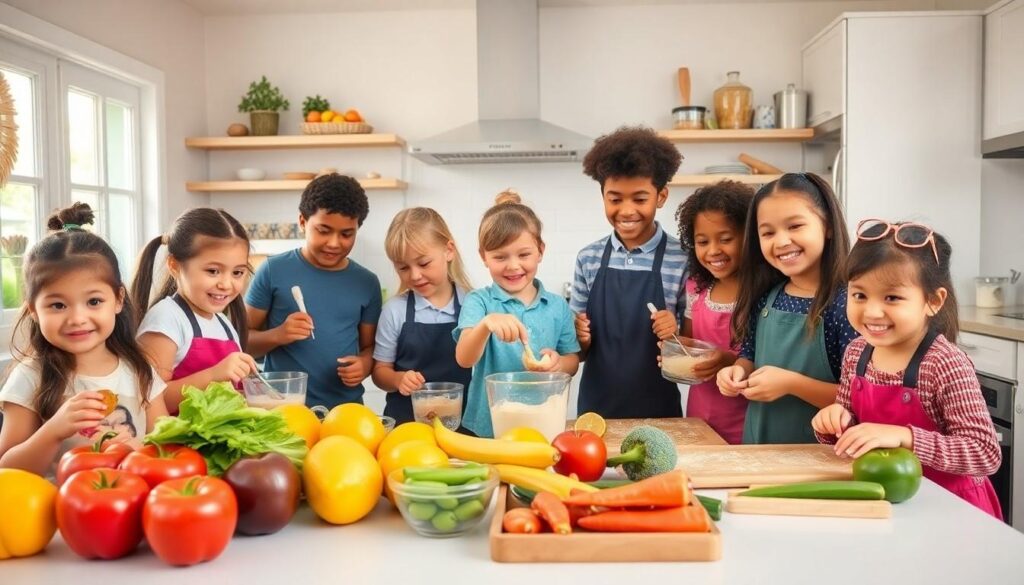
Cooking classes for kids offer numerous advantages that contribute significantly to their development. These classes not only make cooking fun but also provide valuable lessons that extend beyond the kitchen.
Enhancing Life Skills
Cooking classes enhance essential life skills in children. They learn to measure, follow instructions, and manage their time effectively. Cooking also fosters creativity. Kids experiment with flavors and presentation, reinforcing problem-solving skills. By working in teams, children develop communication and collaboration abilities. These experiences boost confidence, encouraging them to take on new challenges in and out of the kitchen. Overall, cooking classes instill a sense of responsibility as children handle different tasks and ingredients.
Promoting Healthy Eating Habits
Promoting healthy eating habits occurs naturally in cooking classes. Kids gain exposure to diverse food groups, recognizing the importance of balanced meals. Classes emphasize nutrition education, teaching children about vitamins, minerals, and the benefits of whole foods. With hands-on experience, kids appreciate the concept of cooking from scratch, leading to healthier choices in their everyday diets. Enjoying the process of cooking makes them more likely to try new foods. Children discover that healthy meals can be both delicious and fun to prepare.
Local Options for Cooking Classes
Finding local cooking classes for kids offers many engaging opportunities. Below are two popular options.
Community Centers
Community centers often host affordable cooking classes designed for children. These classes typically focus on fundamental skills, such as chopping and measuring. Children work in small groups, promoting teamwork and social interaction. Instructors create a friendly atmosphere, where kids can feel confident trying new recipes. Many centers also incorporate nutrition education, teaching kids about balanced meals. Seasonal themes may be featured, exploring ingredients relevant to specific times of the year. Parents appreciate the convenience of these locations, often situated within neighborhoods, making it easy to attend.
Private Cooking Schools
Private cooking schools provide specialized instruction for young aspiring chefs. These programs often offer a variety of themes, from baking to international cuisine. Class sizes tend to be small, allowing personalized attention from experienced chefs. Students learn advanced techniques and gain hands-on experience, fostering their culinary creativity. Schools frequently organize workshops that focus on specific skills, like knife handling or plating presentations. Nutrition topics remain integral, helping kids develop an appreciation for healthy cooking. Many private schools host end-of-session showcases, allowing children to demonstrate their skills to family and friends. Parents find these schools valuable for their structured curriculum and professional guidance.
Types of Cooking Classes Available
Cooking classes for kids encompass various formats and themes, catering to diverse interests and age groups.
Themed Classes
Themed classes engage children’s imagination while introducing them to different culinary traditions. Seasonal themes showcase dishes tied to holidays, such as Halloween treats or Thanksgiving feasts. International cuisine classes allow children to explore flavors from countries like Italy or Mexico. Cooking challenges based on popular shows can also spark excitement and creativity. Participants not only learn new recipes but also gain insights about ingredient origins and cultural practices. Overall, themed classes combine education and fun, making cooking an enjoyable experience for kids.
Age-Specific Programs
Age-specific programs ensure that classes match children’s skill levels and developmental needs. Younger kids might participate in introductory classes focusing on basic tasks like measuring and mixing. Slightly older children can tackle more complex recipes, emphasizing kitchen safety and nutrition education. Teen-oriented classes often delve into advanced techniques and meal planning. Each program encourages collaboration and communication, allowing participants to build friendships while learning. These age-appropriate classes empower kids with skills tailored to their capabilities, setting a solid foundation for culinary exploration.
What to Consider When Choosing a Class
Choosing the right cooking class for kids involves several important factors. Parents should pay close attention to these elements for the best experience.
Class Size and Instructor Qualifications
Class size influences the learning experience. Smaller classes allow for more personalized attention, helping instructors address each child’s needs. Qualified instructors bring expertise and enthusiasm to the class. Look for background checks and relevant culinary training; these credentials enhance trust and safety. Additionally, passionate instructors create a supportive atmosphere, fostering confidence in young chefs. Different ages and skill levels benefit from varying sizes, so parents should inquire about student-to-instructor ratios for optimal learning.
Curriculum and Class Duration
Curriculum details matter when selecting a cooking class. Programs that balance fundamental skills with fun activities engage children effectively. Classes should focus on essential techniques like measuring and chopping while introducing nutrition concepts. Shorter class durations work well for younger kids, keeping sessions engaging without overwhelming them. Expect longer classes for older children, enabling exploration of complex recipes. Parents can also seek classes that offer themed lessons; this can spark interest in different cuisines and seasonal dishes, making the learning experience enjoyable and diverse.
Conclusion
Choosing cooking classes for kids opens a world of culinary exploration and personal growth. These classes not only teach essential skills but also foster creativity and confidence in the kitchen. Children learn the importance of nutrition while developing teamwork and communication abilities through engaging activities.
With various options available in community centers and private schools, parents can find the perfect fit for their child’s interests and skill level. The right cooking class can ignite a passion for cooking that lasts a lifetime. By investing in these experiences, parents help their children build valuable life skills and healthy habits that will benefit them for years to come.