
In a world where technology meets creativity, interactive storybooks are revolutionizing the way children experience literature. These engaging tools blend traditional storytelling with interactive elements, captivating young readers and fostering a love for reading. With vibrant illustrations and immersive activities, they turn passive reading into an exciting adventure.
Parents and educators are increasingly recognizing the benefits of these innovative storybooks. They not only enhance comprehension and retention but also encourage critical thinking and imagination. As children tap, swipe, and explore, they become active participants in the narrative, making each reading session a unique journey. Interactive storybooks are not just about entertainment; they’re powerful learning resources that prepare kids for a future where storytelling and technology coexist seamlessly.
What Are Interactive Storybooks?
Interactive storybooks are innovative tools that blend traditional storytelling with engaging elements designed to captivate young readers. These storybooks typically feature vibrant illustrations, animations, and activities that encourage active participation in the narrative.
They offer a range of interactive features such as sound effects, touch-based interactions, and decision points that transform passive reading into an immersive experience. By actively engaging with the story, children improve comprehension and retention skills.
Parents and educators increasingly recognize these storybooks as valuable educational resources. They foster critical thinking by prompting children to make choices that affect the plot. Interactive storybooks play a significant role in preparing children for a world where storytelling and technology intersect.
Incorporating educational facets, these storybooks can teach lessons on problem-solving, creativity, and teamwork, enhancing the overall learning experience for young readers.
Benefits of Interactive Storybooks

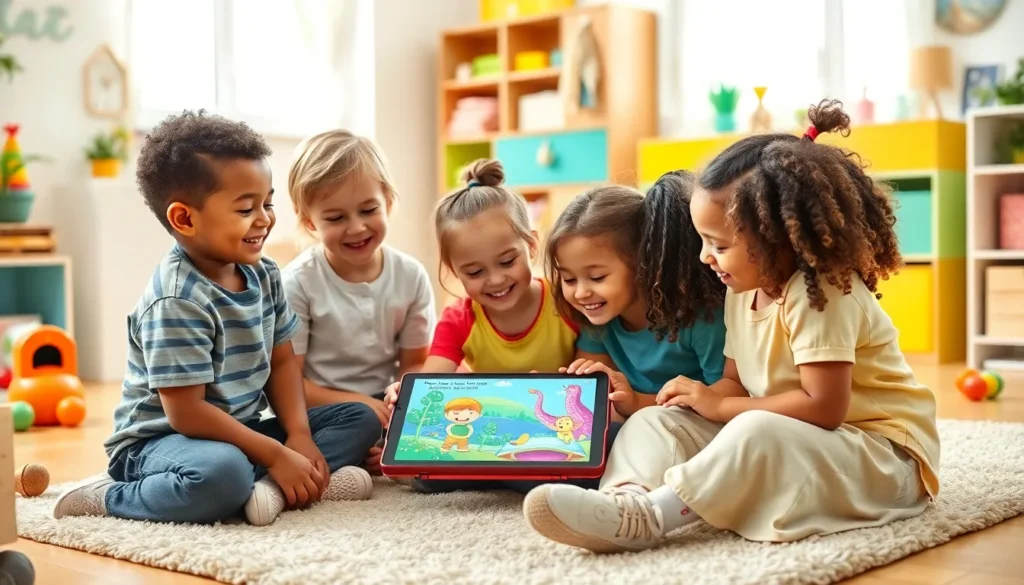
Interactive storybooks provide multiple advantages that enhance children’s reading and learning experiences. They engage young readers and promote essential literacy skills effectively.
Engaging Young Readers
Interactive storybooks captivate young audiences through vibrant visuals, animations, and sound effects. They incorporate touch-based interactions and decision-making elements, allowing children to influence plot outcomes. These features create a fun, immersive environment that keeps young readers involved. Engagement levels rise as children explore different narrative paths, fostering curiosity and a deeper interest in storytelling.
Promoting Literacy Skills
Interactive storybooks contribute to literacy development by improving comprehension, vocabulary, and critical thinking. They often present new words within context, allowing children to grasp meanings easily. Activities embedded in the narratives reinforce learning, helping children connect concepts with real-world scenarios. Moreover, decision-making elements encourage problem-solving skills as children navigate challenges within the story, promoting further skill acquisition and retention. These methods provide a strong foundation for lifelong reading habits and learning.
Key Features of Interactive Storybooks
Interactive storybooks incorporate multiple features that enhance both engagement and learning for children. These key features include multimedia elements and interactive components that transform traditional reading into an enriched experience.
Multimedia Elements
Interactive storybooks utilize a variety of multimedia elements to capture attention and stimulate imagination. They often feature:
- Vibrant Illustrations: Colorful, eye-catching visuals that complement the story and spark curiosity.
- Animations: Dynamic animations that bring illustrations to life, making the storyline more visually engaging.
- Sound Effects: Background sounds and character voices that enhance the narrative, providing a richer auditory experience.
- Music: The inclusion of thematic music that sets the mood and tone, drawing readers deeper into the story.
These elements combine to create an immersive reading environment, facilitating a strong emotional connection to the content.
Interactive Elements
Interactive storybooks offer various interactive elements that encourage active participation from young readers. Prominent features include:
- Touch-Based Interactions: Readers can tap, swipe, or drag elements on the screen, fostering a sense of control and involvement in the narrative.
- Decision Points: Choices presented within the story enable readers to influence plot outcomes, encouraging critical thinking and personal engagement.
- Embedded Activities: Interactive activities such as puzzles or quizzes reinforce comprehension and retention, making learning enjoyable.
- Progress Tracking: Features that allow readers to track their progress and revisit their choices, promoting a sense of achievement.
These interactive components not only enhance enjoyment but also support cognitive development, reinforcing essential skills like problem-solving and decision-making.
Popular Interactive Storybooks
Interactive storybooks attract attention with their unique blend of storytelling and engagement. Popular titles often highlight innovative features, captivating narratives, and talented authors.
Titles to Explore
- “The Very Hungry Caterpillar” by Eric Carle
- This classic story invites children to interact with colorful illustrations and engaging text. Touch-sensitive features allow for exploration of shapes and colors, enhancing learning experiences.
- “Pajama Sam: No Need to Hide When It’s Dark Outside” by Stephen W. McCranie
- This interactive adventure blends storytelling with mini-games that promote problem-solving skills. Children navigate Sam’s world, making choices that shape the narrative.
- “Where’s My Water?” by Disney
- In this popular app-based storybook, young readers help Swampy the alligator solve puzzles to get water flowing. The engaging gameplay supports critical thinking and logic development.
- “Don’t Let the Pigeon Drive the Bus!” by Mo Willems
- This interactive title includes opportunities for kids to engage directly with the story, encouraging participation through humorous prompts and decision-making scenarios.
- “My Very Own Fairy Tale” by Bluestone Press
- This customizable storybook allows children to insert their names and likenesses, creating a personalized narrative experience that enhances engagement and reading motivation.
Author Highlights
- Eric Carle
- Known for his vibrant illustrations and engaging narratives, Eric Carle’s works, including “The Very Hungry Caterpillar,” inspire creativity and curiosity among young readers.
- Mo Willems
- An award-winning author and illustrator, Mo Willems captivates audiences with interactive storytelling styles. His technique of breaking the fourth wall encourages participation and enhances engagement.
- Stephen W. McCranie
- As the creator of Pajama Sam, McCranie combines fun narratives with educational content, promoting critical thinking and problem-solving through interactive play.
- Disney Creative Team
- Disney’s development of interactive storybooks combines beloved characters with innovative storytelling methods, ensuring children enjoy immersive experiences while learning.
- Bluestone Press
- This publisher specializes in personalized storybooks, offering children the chance to integrate their names and likenesses, making reading a personal adventure that fosters a love for storytelling.