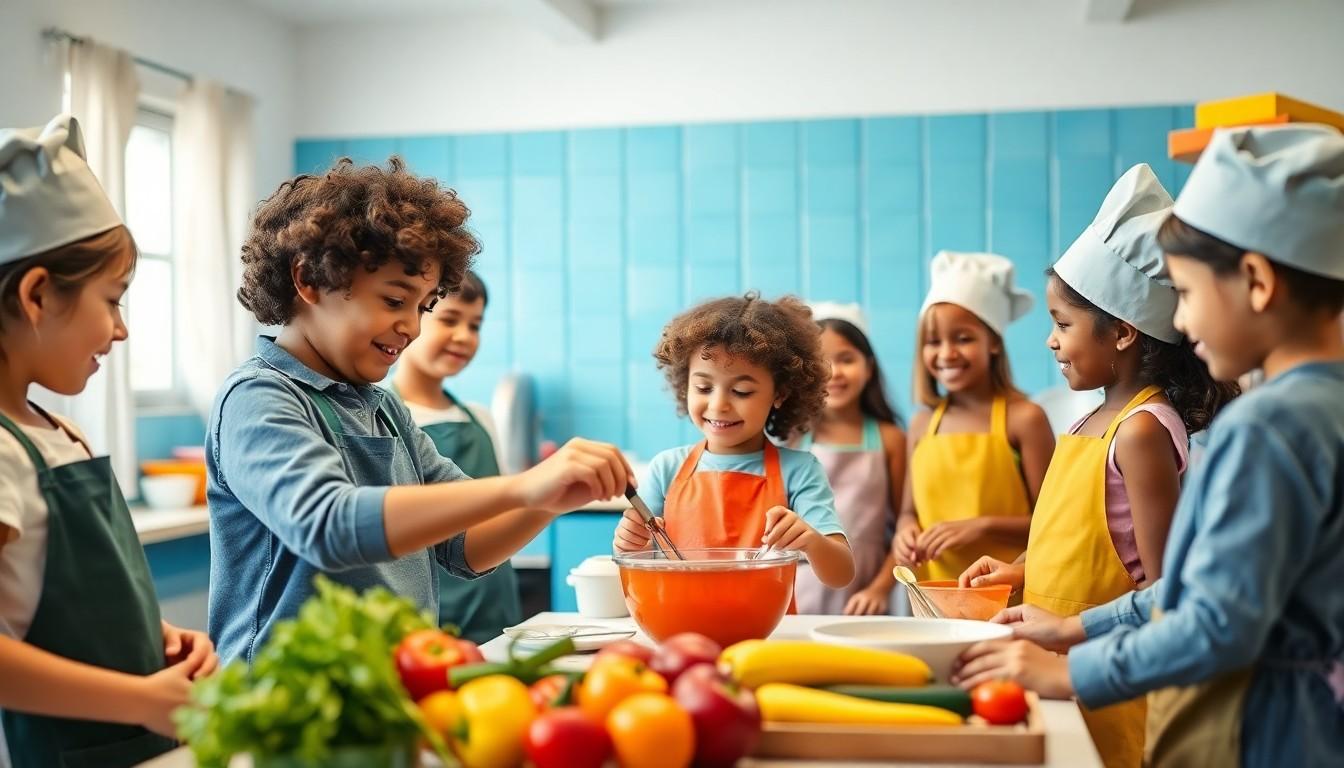
Kids in the kitchen? It’s not just a recipe for chaos; it’s a chance for creativity and fun! Cooking shows for kids have exploded in popularity, turning little chefs into culinary rock stars. With colorful ingredients and whacky challenges, these shows serve up a hearty helping of entertainment and education, proving that cooking can be as thrilling as a roller coaster ride—minus the nausea.
Overview of Cooking Shows for Kids
Cooking shows for kids present an engaging way for young viewers to explore culinary skills. Programs often feature vibrant themes like baking, healthy eating, or international cuisines, which pique children’s interests. Participants get opportunities to learn about nutrition while having fun.
Many shows incorporate challenges that promote teamwork and problem-solving. Young chefs may face time constraints, ingredient restrictions, and creative tasks that expand their culinary horizons. The competitive element adds excitement, motivating kids to push their boundaries.
Educational segments frequently highlight the importance of hygiene, safety, and basic cooking techniques. Kids learn essential skills such as measuring ingredients, chopping vegetables, and reading recipes. This hands-on experience fosters independence in the kitchen.
Viewers also connect with diverse cultures through international cuisines featured in several cooking shows. Exploring global dishes helps children appreciate cultural diversity and develop an understanding of global food traditions. They may even try recreating these dishes at home, broadening their taste experiences.
Families often benefit from cooking shows for kids, as they encourage parent-child participation in the kitchen. Cooking together creates opportunities for bonding, communication, and shared experiences. Engaging in meal preparation nurtures a sense of accomplishment in young chefs.
Overall, cooking shows for kids effectively blend entertainment and education, inspiring a love for cooking and healthy eating. These programs not only entertain but also shape confident young chefs who are excited about experimenting in the kitchen.
Popular Cooking Shows
Engaging cooking shows for kids captivate young audiences, emphasizing creativity and skills in the kitchen. Here are some popular examples.
Show 1: Description and Highlights
“Cooking with Kids” brings children into the culinary spotlight. This show focuses on teaching fundamental cooking skills while emphasizing safety and hygiene. Interactive segments allow young chefs to prepare easy recipes using everyday ingredients. The vibrant visuals and cheerful atmosphere make cooking feel approachable. Each episode features unique challenges that encourage creativity, fostering confidence in culinary abilities. Viewers often see giggles and smiles as kids experiment with flavors, creating dishes from scratch alongside expert mentors.
Show 2: Description and Highlights
“MasterChef Junior” showcases talented young chefs competing in inspiring culinary challenges. This series highlights teamwork, time management, and creativity while providing valuable lessons during each competition. Aspiring chefs tackle diverse culinary themes from international cuisines to baking contests. Judges, who are often renowned chefs, mentor participants, providing constructive feedback. The process builds resilience, encouraging kids to learn from mistakes while striving for excellence. Heartwarming moments often unfold as friendships blossom among young contestants in a supportive environment.
Show 3: Description and Highlights
“Kids Baking Championship” features enthusiastic young bakers as they tackle intricate baking challenges. This show emphasizes baking techniques and dessert creation. Participants learn to balance flavor with presentation, challenging their artistic skills. Each week, contestants face unique themes, spurring creativity and innovation. Expert pastry chefs guide them through the process, ensuring a solid foundation in baking knowledge. Viewers witness delightful creations, inspiring young bakers to experiment in their own kitchens, ultimately enhancing their culinary confidence.
Benefits of Cooking Shows for Kids
Cooking shows for kids offer multiple advantages that foster both learning and enthusiasm in the kitchen. These programs provide engaging experiences that captivate young audiences.
Educational Value
Cooking shows enhance educational elements in various ways. Through these programs, kids acquire important culinary skills like measuring, chopping, and mixing. Recipes often introduce measurements and conversions, reinforcing math concepts in a practical context. Safety practices get emphasized, equipping children with the knowledge to handle kitchen tools responsibly. Shows encourage understanding of nutrition, teaching children the benefits of fruits, vegetables, and balanced meals. Engaging discussions about different cultures and cuisines broaden their culinary horizons, encouraging exploration beyond familiar foods. By promoting hands-on learning experiences, kids develop confidence and competence in the kitchen.
Encouraging Creativity
Creativity flourishes through cooking shows designed for kids. Participants experiment with ingredients, flavors, and presentations while crafting unique dishes. Programs challenge them to think outside the box and innovate in familiar tasks. Quirky themes and friendly competitions stimulate imaginative approaches, allowing children to express their personalities. Each episode presents opportunities for self-expression, whether by creating a colorful plate or incorporating favorite flavors. Shows often feature guest chefs who provide inspiration and new techniques, further igniting excitement. Cooking nurtures creativity, making it not just about food but about fostering a child’s artistic spirit.
How to Choose the Right Cooking Show
Selecting a cooking show for kids involves considering age appropriateness and the show’s content. These factors ensure a positive viewing experience that aligns with children’s developmental stages.
Age Appropriateness
Assess age appropriateness to find suitable content for young chefs. Shows like “Cooking with Kids” target younger audiences, focusing on simple recipes and safety tips. “MasterChef Junior” caters to slightly older participants, featuring more complex challenges that foster teamwork and resilience. Parents should consider their child’s maturity level when exploring different options. Selecting an age-appropriate show can enhance engagement and understanding while maintaining interest.
Content and Themes
Evaluate content and themes when choosing a cooking show. Diverse culinary themes promote interest and creativity. Shows that highlight healthy eating teach nutrition while engaging kids with vibrant ingredients. International cuisine-focused programs introduce children to global cultures, expanding their culinary horizons. Engaging challenges and interactive segments keep viewers excited about cooking. Programs featuring educational segments about hygiene and safety enhance learning while keeping the experience entertaining. Prioritizing these elements ensures an enriching cooking journey for young viewers.
Conclusion
Cooking shows for kids offer a unique blend of fun and education that captivates young audiences. They not only inspire creativity but also teach essential culinary skills in an engaging way. By participating in these shows, children gain confidence in the kitchen while learning about nutrition and teamwork.
These programs foster family bonding through shared cooking experiences, making meal preparation a delightful activity. As kids explore diverse cuisines and tackle exciting challenges, they develop a love for cooking that can last a lifetime. With the right show, parents can ensure their children enjoy a rewarding and enriching culinary journey.