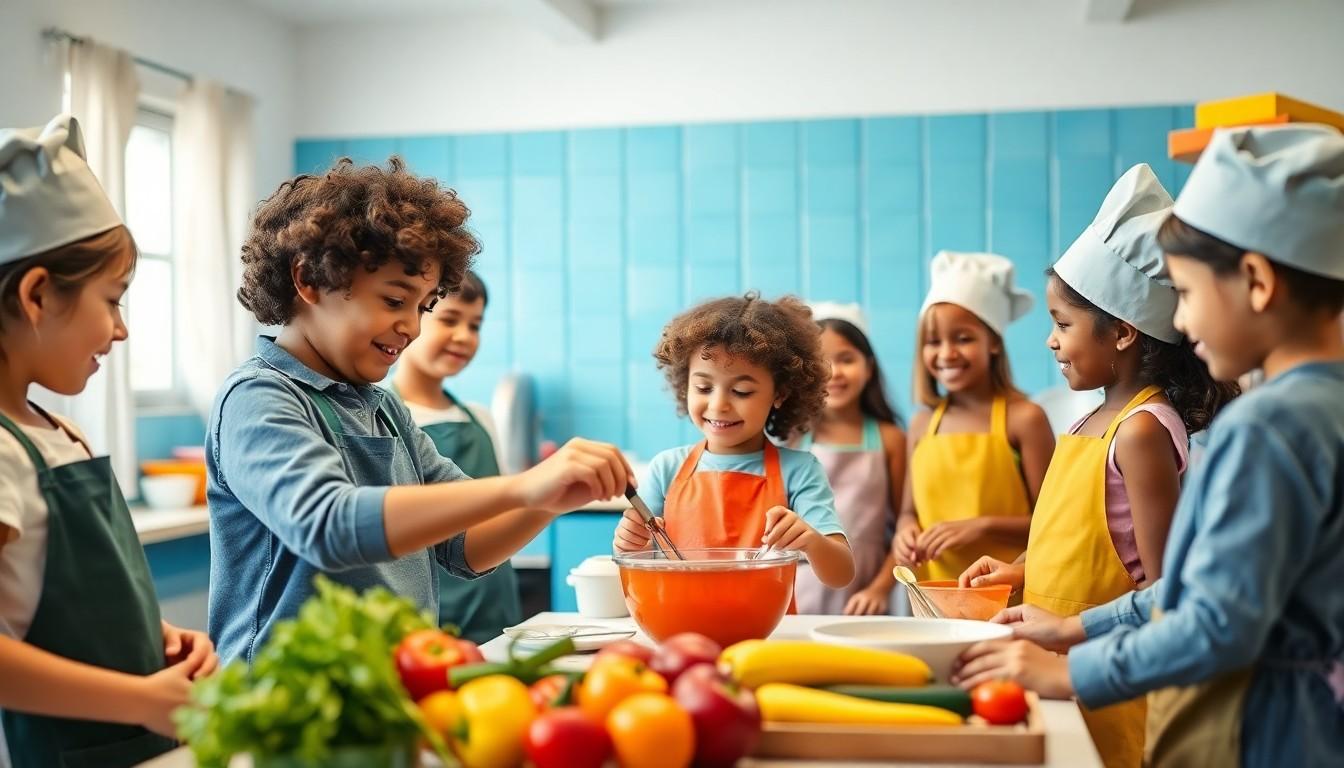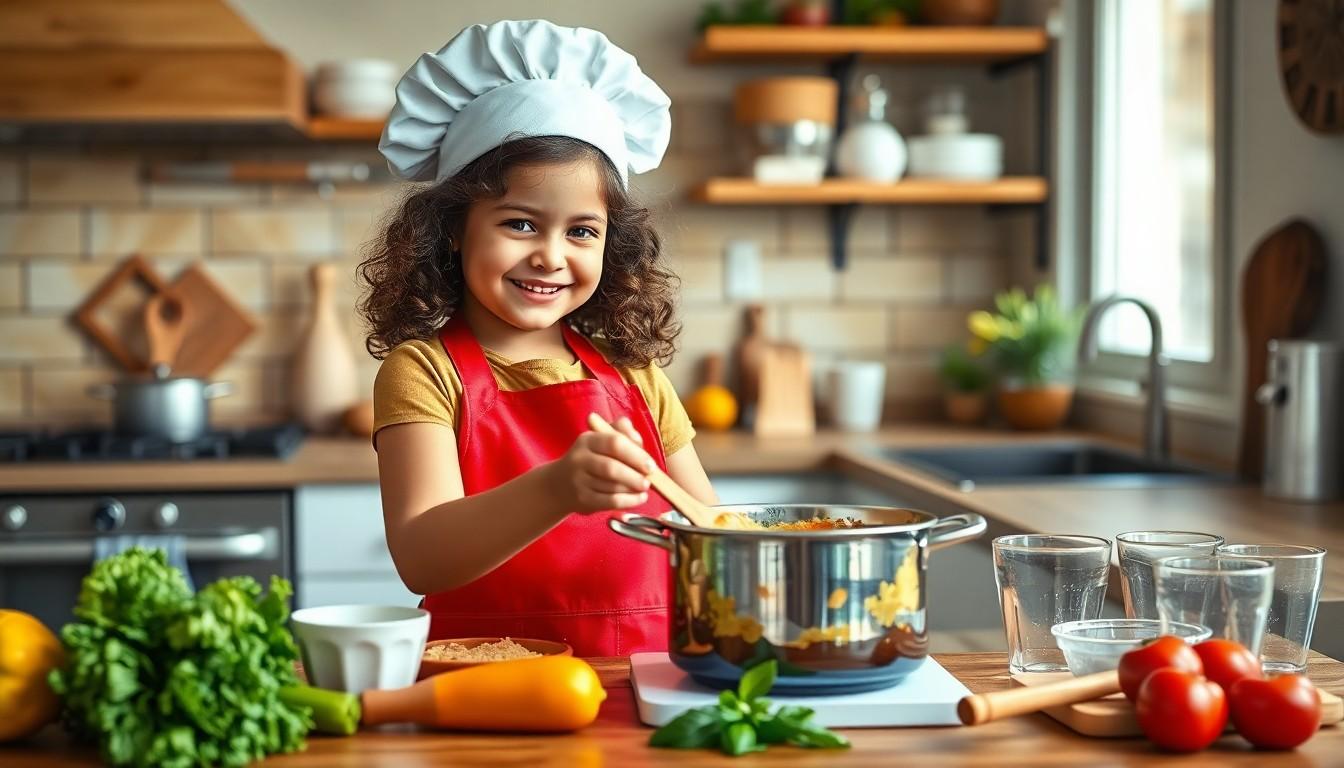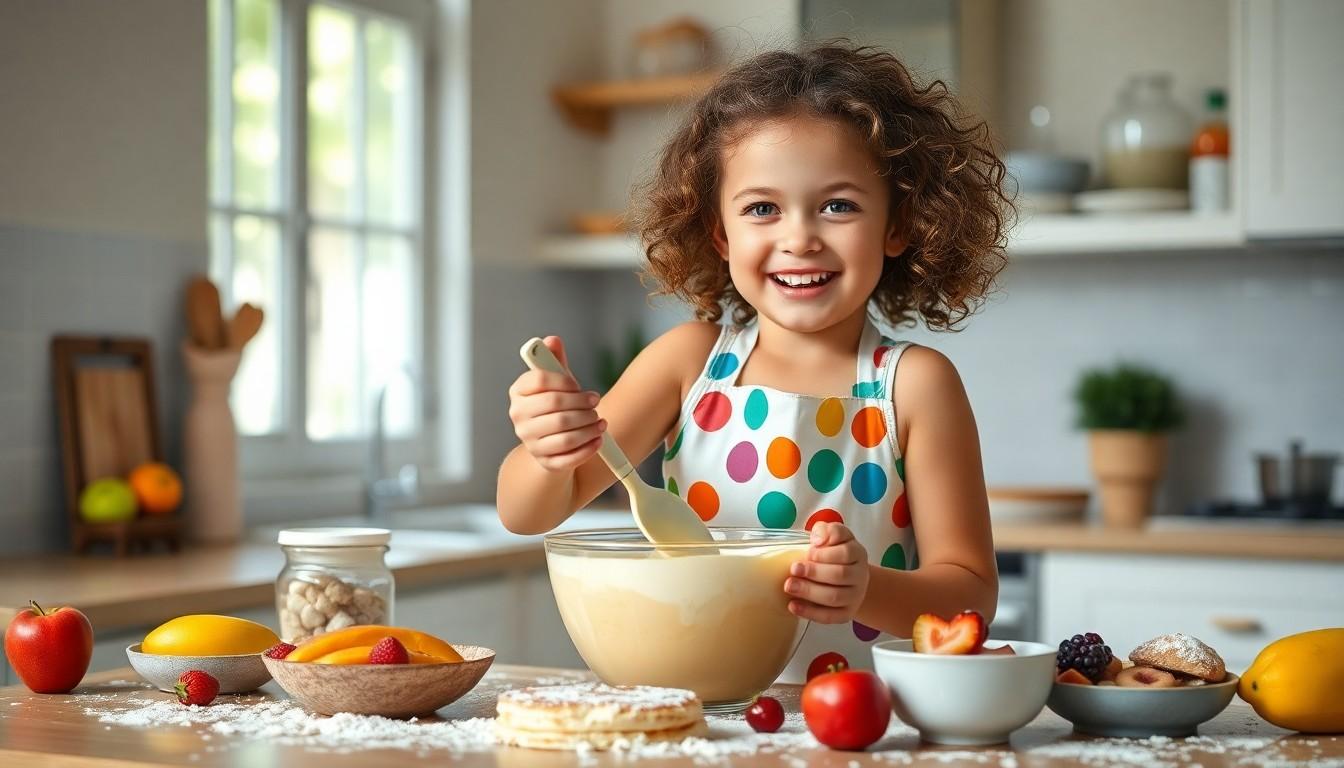
Cooking with kids can feel like a culinary adventure mixed with a comedy show. Imagine flour flying through the air like a snowstorm while your little chefs attempt to create masterpieces that often resemble abstract art. But this delightful chaos isn’t just about making a mess; it’s about bonding, learning, and igniting a lifelong love for cooking.
From easy-to-follow recipes that inspire creativity to fun kitchen hacks that make cooking a breeze, the kitchen becomes a playground for imagination. With the right recipes, kids can whip up dishes that are not only tasty but also give them a sense of accomplishment. So grab those aprons and prepare for giggles, spills, and maybe a few culinary surprises. Cooking with kids isn’t just about the food; it’s about creating memories that’ll last a lifetime.
Benefits of Cooking With Kids
Cooking with children offers numerous advantages that extend beyond just making meals. Engaging in this activity fosters connections and facilitates various skill developments.
Enhancing Motor Skills
Cooking helps children refine their motor skills. They practice cutting, stirring, and pouring using utensils, which improves hand-eye coordination. Preparing food often requires measuring ingredients, enhancing their understanding of volume and weight. Activities like kneading dough can strengthen their grip and fine motor control. Young chefs also learn to use kitchen tools safely, which boosts their dexterity. Creating dishes fosters spatial awareness as they navigate kitchen layouts. Each movement engaged in cooking contributes significantly to their physical skill development.
Building Confidence
Children gain confidence when they participate in cooking. Accomplishing tasks, such as mixing batter or decorating cookies, instills a sense of pride. Trying new recipes encourages them to experiment, enriching their willingness to take risks. Success in the kitchen translates to a boost in self-esteem, especially when sharing dishes with family and friends. Mastering age-appropriate tasks fosters independence, making them more self-reliant in the kitchen. Each positive cooking experience reinforces their belief in their abilities.
Fun and Easy Recipes
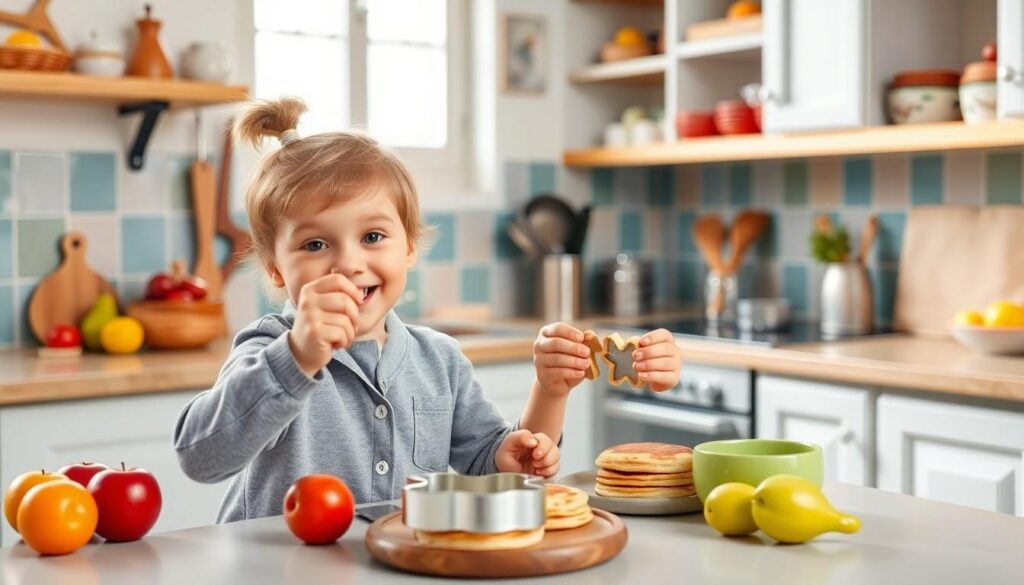
Cooking with kids can be a delightful adventure. The following recipes are simple, fun, and sure to create lasting memories.
Breakfast Ideas
Pancake shapes offer a creative start to the day. Use cookie cutters to create fun designs. Banana pancakes provide a healthy twist; mash bananas into the batter for added flavor. Smoothies serve as a quick and nutritious option. Blend berries, yogurt, and a splash of juice; kids love the colorful result. Yogurt parfaits allow customization; layer yogurt, fruit, and granola for a tasty and visually appealing breakfast.
Lunch and Snack Options
Personal pizzas cater to individual tastes. Use whole wheat pita or English muffins as a base; let kids choose their toppings. Veggie wraps encourage creativity; spread hummus on a tortilla and roll up fresh vegetables. Fruit kabobs offer a fun presentation; thread various fruits onto skewers for a healthy snack. Trail mix allows for personalization; combine nuts, dried fruit, and a bit of chocolate for an energizing treat.
Dinner Recipes
Taco night brings excitement to dinner. Set up a taco bar with seasoned meat, beans, and fresh toppings; kids can assemble their creations. Stir-fry provides a quick and colorful option. Choose vegetables and proteins, cooking them in a single pan. Homemade pasta is a fun project; kids can help mix dough and shape noodles. Veggie-packed quiches share creativity; use pre-made crusts and let kids add their favorite fillings.
Tips for Successful Cooking Sessions
Cooking together provides opportunities for learning and bonding. Keeping these tips in mind ensures every session remains productive and enjoyable for everyone involved.
Safety First
Safety serves as the top priority during cooking activities. Sharp knives should remain out of reach until a trusted adult provides assistance or supervision. Heat sources, such as stovetops and ovens, require careful monitoring to prevent accidents. Smocks or aprons can protect clothing from spills, while non-slip mats help maintain stability in the kitchen. Keeping a first-aid kit handy ensures quick responses to minor cuts or burns. Tracking food allergies aids in selecting appropriate recipes. Teaching children to wash hands before handling food encourages hygiene and reduces the risk of contamination.
Keeping It Fun
Fun encourages children to explore in the kitchen. Letting them choose recipes enhances engagement and excitement about cooking. Introducing themed cooking days, like “Taco Tuesday” or “Pasta Night,” adds an element of creativity. Setting up stations for various tasks allows for autonomy and teamwork, empowering them to contribute. Singing songs or playing music during cooking sessions creates a lively atmosphere. Additionally, incorporating games related to measuring or ingredient identification makes learning enjoyable. Offering praise for their efforts boosts motivation and reinforces a love for cooking, turning tasks into positive experiences.
Encouraging Healthy Eating Habits
Encouraging healthy eating habits in kids promotes lifelong wellness. It’s essential to create an environment where nutritious choices are fun and accessible.
Incorporating Fruits and Vegetables
Involvement in meal preparation increases children’s interest in fruits and vegetables. Offering a variety of colorful options makes the experience visually appealing. Letting kids wash, peel, and chop (with supervision) increases their willingness to try new foods. Engaging them in recipe creation invites experimentation with flavors. Use creative names for dishes, like “rainbow salads” or “fruit masterpieces,” to spark excitement. Encourage the inclusion of fruits and vegetables in fun ways, such as kabobs or smoothies. Regularly visiting local farmers’ markets can also strengthen kids’ connections to fresh produce.
Understanding Nutrition
Understanding nutrition starts with age-appropriate conversations about food. Teaching kids about the benefits of different nutrients reinforces positive choices. Introducing simple concepts, like how proteins build muscles and vitamins support growth, enhances their awareness. Using visual aids, such as the food pyramid or plates, helps solidify knowledge. Involving them in label reading fosters critical thinking about food choices. Children can learn to distinguish between healthy options and those high in sugar or fat. Encouraging kids to ask questions about what they eat builds their confidence in making informed decisions.
Conclusion
Cooking with kids is a rewarding journey that nurtures creativity and fosters essential life skills. By engaging in fun recipes and safe kitchen practices, children not only learn about food but also gain confidence and a sense of accomplishment. Each cooking session becomes an opportunity to bond and create lasting memories.
Encouraging healthy eating habits through hands-on experiences makes nutritious choices more appealing. As kids explore flavors and textures, they develop a greater appreciation for wholesome foods. With a little guidance and plenty of enthusiasm, the kitchen transforms into a vibrant space for learning and growth. Embracing this culinary adventure can lead to a lifetime of joyful cooking experiences together.