
Literacy challenges impact millions around the globe, hindering personal growth and economic opportunities. As society evolves, the ability to read and write becomes increasingly essential, yet many individuals still struggle with these fundamental skills. This gap not only affects their education but also limits their access to vital resources and information.
Various factors contribute to literacy challenges, including socioeconomic status, access to quality education, and language barriers. Understanding these obstacles is crucial for developing effective strategies to promote literacy and empower individuals. By addressing these issues, communities can foster a more inclusive environment where everyone has the opportunity to thrive.
Overview of Literacy Challenges
Literacy challenges encompass a range of obstacles that hinder individuals from developing essential reading and writing skills. These challenges impact personal growth, educational attainment, and economic opportunities. Various factors contribute to these difficulties.
Key Factors Contributing to Literacy Challenges
- Socioeconomic Status: Individuals from low-income backgrounds often lack access to resources that promote literacy, such as books and tutoring.
- Access to Quality Education: Schools in underserved communities frequently face underfunding and resource shortages, limiting effective literacy instruction.
- Language Barriers: Non-native speakers may struggle with reading and writing in English, resulting in challenges that affect their overall literacy progress.
- Learning Disabilities: Conditions like dyslexia and ADHD can impede an individual’s ability to read and write, requiring tailored instructional strategies.
- Cultural Factors: Different cultural norms regarding education can influence attitudes towards literacy and learning.
Consequences of Literacy Challenges
- Limited Job Opportunities: Low literacy skills reduce employability, as many jobs require basic reading and writing competencies.
- Health Implications: Individuals with low literacy may find it challenging to understand medical instructions, leading to poor health outcomes.
- Social Isolation: Difficulty with literacy can hinder communication, creating barriers to social interaction and community engagement.
- Educational Attainment: Low literacy levels often correlate with lower educational achievement, perpetuating cycles of disadvantage.
Understanding these dynamics proves essential for creating effective literacy programs and interventions, fostering an inclusive society where everyone can flourish.
Common Causes of Literacy Challenges
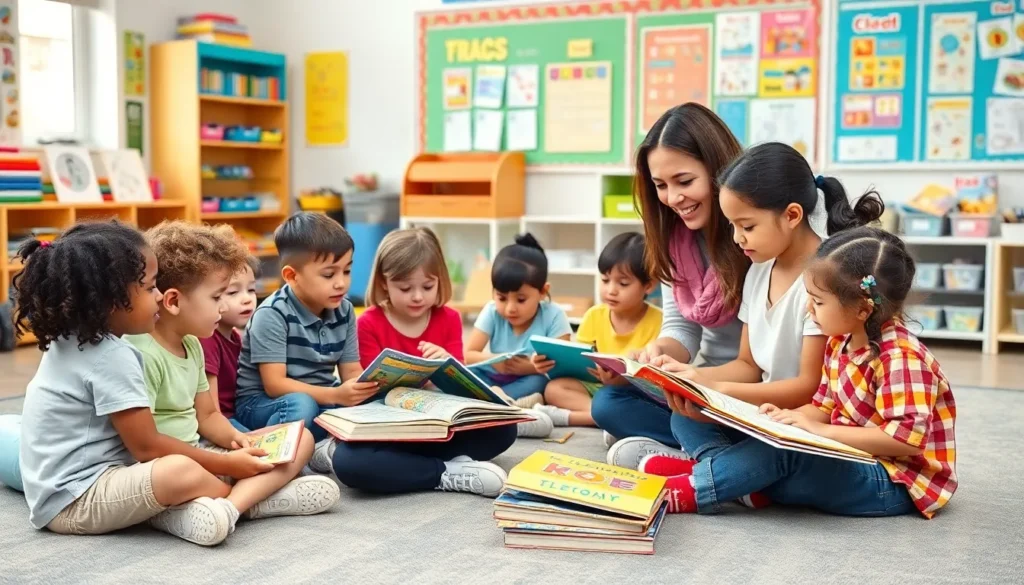
Literacy challenges often stem from a variety of underlying causes. Understanding these factors is essential for addressing the issue effectively.
Socioeconomic Factors
Socioeconomic factors significantly influence literacy levels. Individuals from lower-income families may have limited access to educational resources, such as books and learning materials. They often experience higher stress levels and less time for educational activities due to financial instability. Studies indicate that children in low-income households encounter fewer literacy-related experiences, such as reading to children or visiting libraries. These disparities contribute to a cycle of poverty, impairing literacy development across generations.
Educational Inequalities
Educational inequalities play a crucial role in literacy challenges. Disparities in funding and resources lead to varied quality of education across different schools. Schools in affluent areas often have access to experienced teachers, advanced curricula, and support programs. Conversely, schools in underfunded areas may lack essential teaching staff and adequate materials. According to the National Center for Education Statistics, students in low-performing schools are less likely to achieve proficient reading and writing skills compared to their peers. This gap highlights the need for equitable educational opportunities to improve literacy outcomes for all students.
Impact of Literacy Challenges
Literacy challenges significantly impact individuals and society as a whole. Understanding these effects is crucial for developing targeted interventions.
On Individuals
Individuals facing literacy challenges often experience reduced job prospects, limiting their career options. Low literacy skills correlate with high unemployment rates and lower wages. Additionally, individuals may struggle with daily tasks, including filling out forms, understanding medical instructions, and engaging in community activities. Emotional challenges, such as low self-esteem and frustration, often arise, leading to social withdrawal and isolation. Furthermore, these difficulties can negatively influence overall health, as individuals with low literacy may struggle to access vital health information and services.
On Society
Societal impacts of literacy challenges manifest in various ways. Communities with high illiteracy rates tend to face increased crime rates and dependency on social services. Economically, low literacy levels hinder workforce productivity, leading to reduced economic growth. Education systems also feel these effects, as schools in low-literacy areas receive fewer resources and support. Moreover, a less literate population contributes to lower civic engagement, resulting in reduced participation in democratic processes and community initiatives. Addressing literacy challenges not only benefits individuals but also fosters a more informed, engaged, and productive society.
Strategies to Overcome Literacy Challenges
Effective strategies play a crucial role in addressing literacy challenges. Implementing targeted programs and community initiatives fosters an environment where individuals can enhance their reading and writing skills.
Early Intervention Programs
Early intervention programs focus on identifying literacy challenges in young children. These programs employ various strategies, such as:
- Screening Assessments: Regular assessments help educators detect reading difficulties early, enabling timely support.
- Individualized Instruction: Tailored teaching methods address specific learning needs and styles, promoting skill acquisition.
- Family Engagement: Involving parents in literacy activities reinforces learning at home, creating a supportive environment.
Research from the National Reading Panel highlights the importance of early literacy interventions, indicating that children who receive support during their formative years often demonstrate improved literacy outcomes throughout their academic careers.
Community Engagement
Community engagement initiatives strengthen literacy skills by leveraging local resources and support. Key strategies include:
- Literacy Workshops: Offering community workshops provides hands-on training in reading and writing, catering to various age groups and skill levels.
- Mentorship Programs: Pairing experienced readers with struggling individuals creates a supportive learning environment, fostering personal connections and motivation.
- Partnerships with Libraries: Collaborating with local libraries enhances access to reading materials and promotes literacy events, encouraging ongoing participation.
Studies show that communities that actively promote literacy through engagement see higher rates of participation and improvement in literacy proficiency among residents. By fostering collaboration, communities build a more literate and informed population, positively impacting socioeconomic dynamics.
Addressing literacy challenges is crucial for fostering individual potential and enhancing societal well-being. By understanding the underlying factors and implementing effective strategies, communities can create pathways for success. Early intervention and community engagement are key components in promoting literacy skills.
Investing in these areas not only improves educational outcomes but also strengthens economic opportunities and social cohesion. As efforts to tackle literacy challenges continue, the collective goal remains clear: to build a more informed and engaged society where everyone has the chance to thrive.