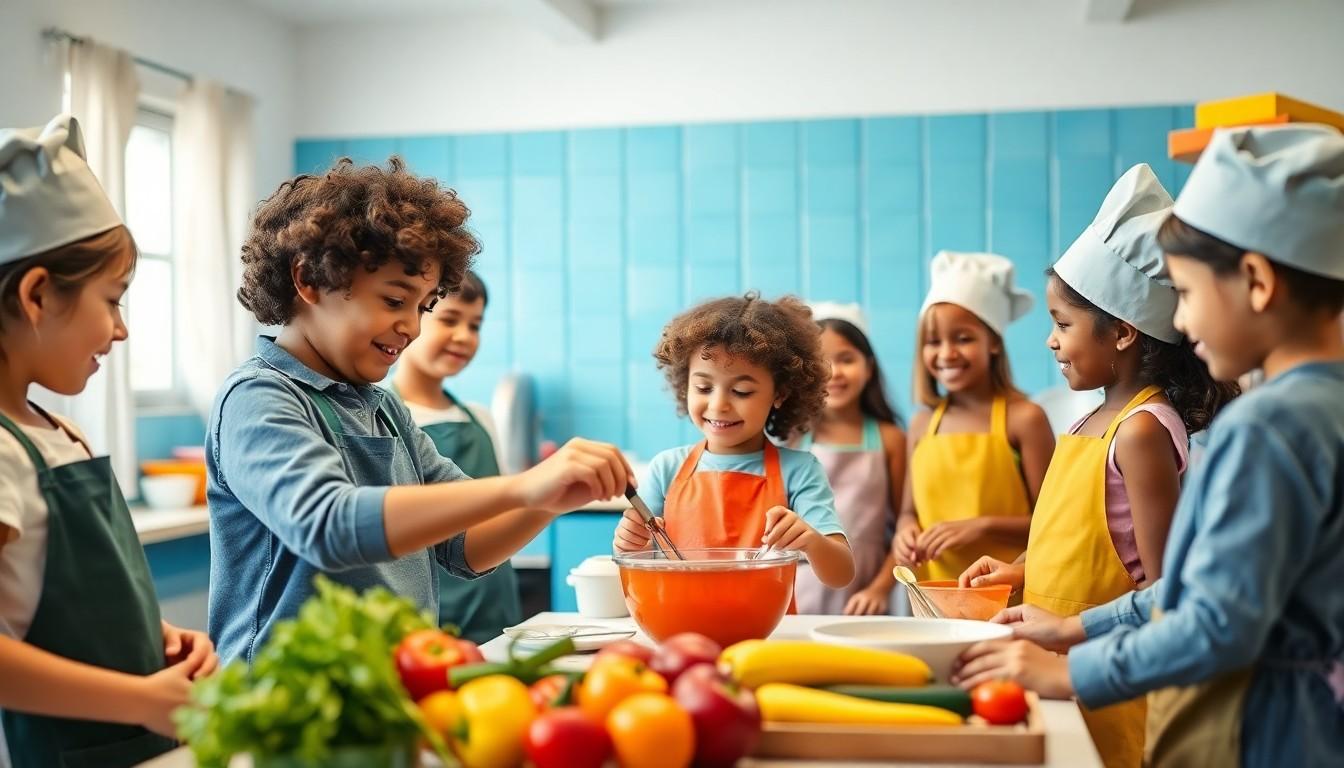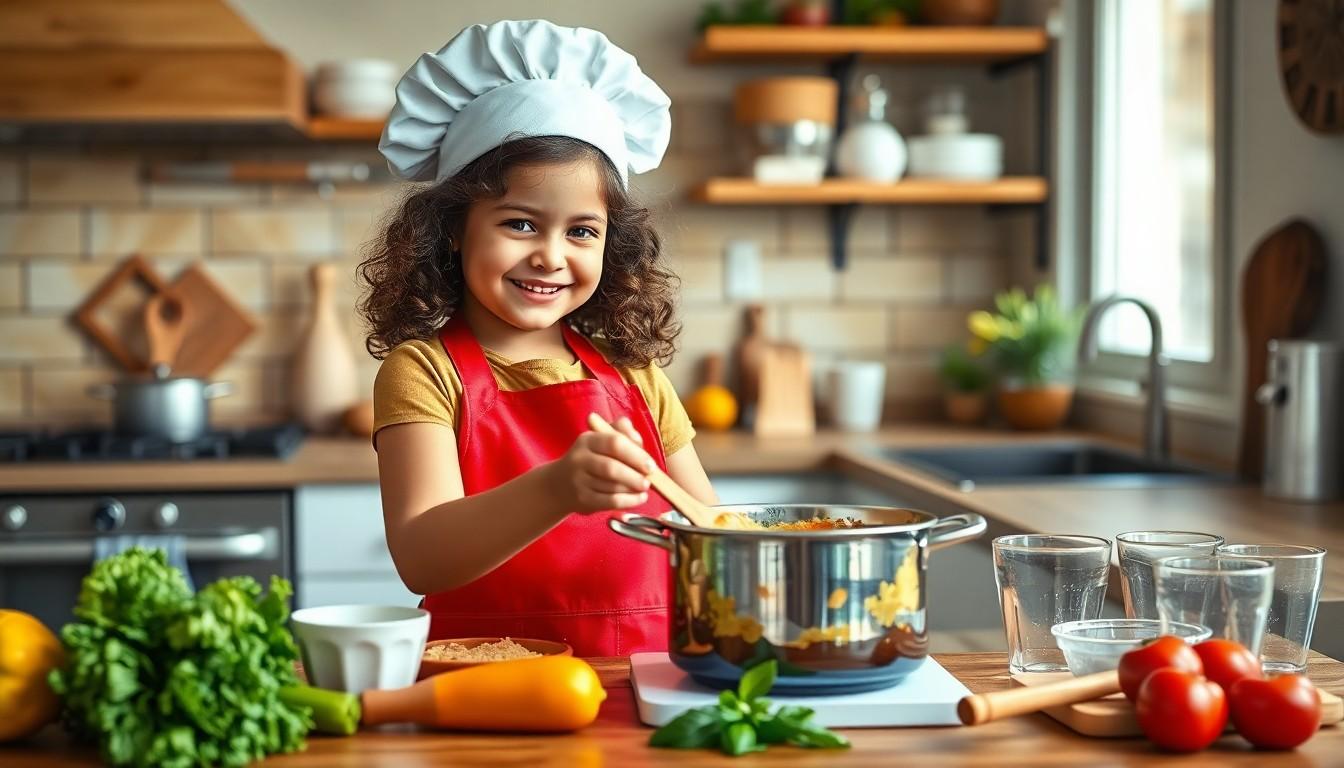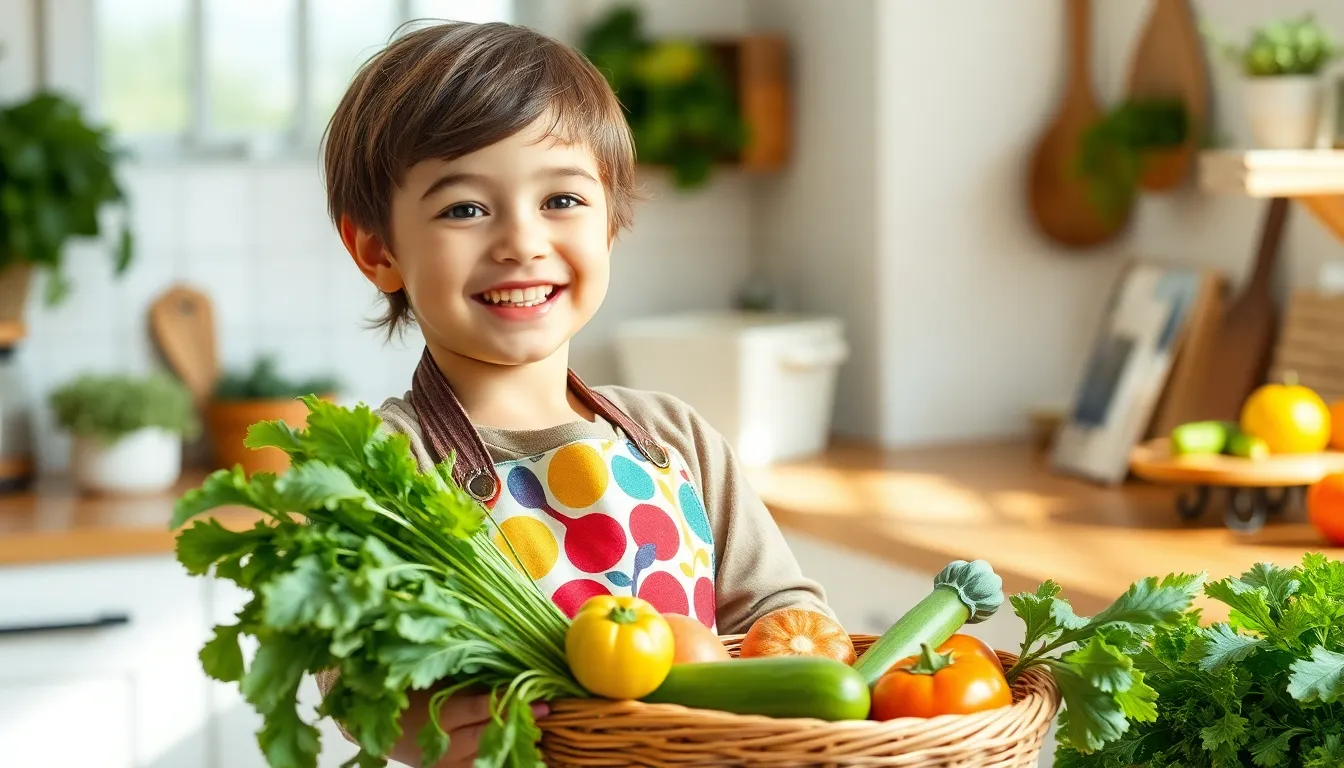
Cooking with children can be a delightful adventure, especially when it revolves around seasonal ingredients. As nature changes, so do the flavors, colors, and textures available in the kitchen. Engaging kids in seasonal cooking not only teaches them valuable culinary skills but also fosters a deeper appreciation for fresh, local produce.
Involving children in the kitchen during different seasons sparks their curiosity and creativity. They learn to identify fruits and vegetables at their peak, understand the importance of sustainability, and develop healthy eating habits. From vibrant summer berries to hearty winter squash, each season offers a unique opportunity to explore and enjoy the bounty of nature together. Embracing seasonal cooking can turn mealtime into a fun and educational experience for the whole family.
Benefits of Seasonal Cooking With Children
Seasonal cooking offers valuable benefits for children, enhancing their understanding of food and encouraging healthier choices. Engaging in cooking activities fosters learning and skill development while creating lasting family memories.
Learning About Fresh Ingredients
Children learn about fresh ingredients by exploring seasonal produce. They discover where fruits and vegetables come from, enhancing their connection to food. Kids can taste, smell, and touch various ingredients, promoting sensory development. Exposure to seasonal varieties encourages curiosity, leading them to try new foods. Seasonal cooking also teaches children the importance of supporting local farmers and understanding sustainable practices.
Developing Cooking Skills
Children develop essential cooking skills through hands-on experience with seasonal ingredients. They learn basic techniques such as chopping, mixing, and measuring, building confidence in the kitchen. Engaging in age-appropriate tasks fosters independence and responsibility. Kids also practice following directions and problem-solving, which transfer to other areas of learning. As they create meals, children cultivate a sense of achievement, boosting self-esteem.
Seasonal Ingredients to Explore
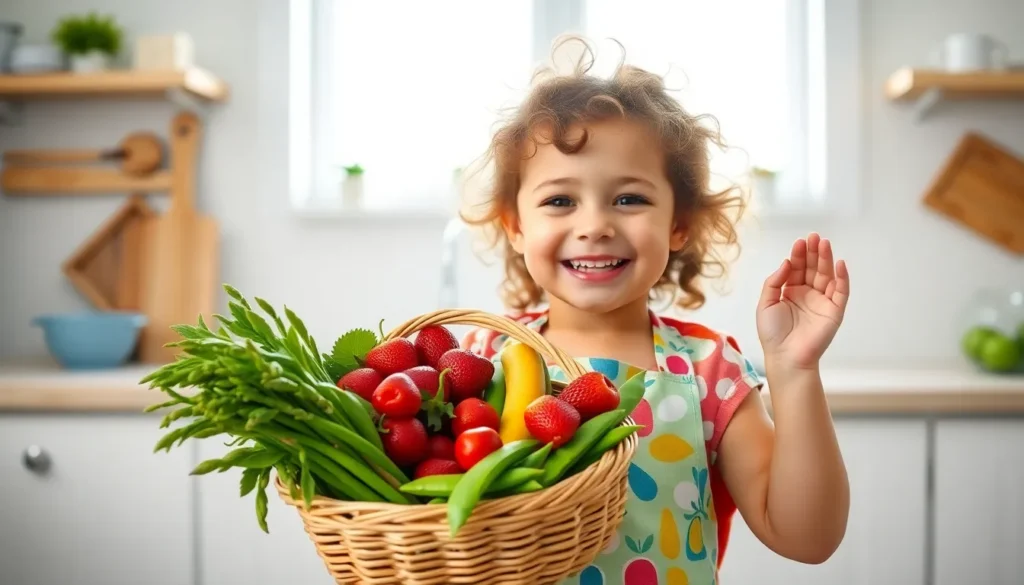
Exploring seasonal ingredients offers a hands-on way for children to connect with food in each season. Each season brings unique fruits and vegetables, encouraging curiosity and creativity in the kitchen.
Spring Produce
Spring offers vibrant ingredients that awaken the palate. Seasonal options include:
- Asparagus: Tender spears perfect for roasting or steaming.
- Spinach: Leafy greens that work well in salads or smoothies.
- Radishes: Crisp, peppery bites ideal for fresh salads.
- Strawberries: Sweet berries that shine in desserts or snacks.
- Peas: Sweet and crisp, great for stir-fries or pasta dishes.
Summer Fruits and Vegetables
Summer bursts with juicy fruits and colorful vegetables. Popular choices include:
- Tomatoes: Juicy varieties perfect for salads or sauces.
- Zucchini: Versatile squash suitable for grilling or baking.
- Blueberries: Nutrient-rich berries great for snacks or toppings.
- Cucumbers: Refreshing and crunchy, ideal for salads.
- Corn: Sweet kernels perfect for grilling or incorporating into salsas.
Autumn Harvest
Autumn introduces hearty ingredients that create warming meals. Essential ingredients comprise:
- Pumpkin: Versatile for soups, pies, or roasted dishes.
- Apples: Sweet and tart, excellent for pies or snacks.
- Brussels Sprouts: Nutty flavor perfect for roasting.
- Squash: Varieties like butternut and acorn make flavorful dishes.
- Pears: Juicy fruits ideal for salads or desserts.
Winter Staples
Winter brings hearty staples that nourish and comfort. Important ingredients include:
- Root Vegetables: Carrots, beets, and parsnips can be roasted or mashed.
- Cabbage: Versatile for slaws or hearty soups.
- Sweet Potatoes: Naturally sweet, suitable for baking or pureeing.
- Citrus Fruits: Oranges, lemons, and grapefruits provide refreshing flavors.
- Kale: Robust greens perfect for soups or salads.
Exploring these seasonal ingredients allows children to learn about variety, nutrition, and flavors while developing their cooking skills and fostering a love for fresh food.
Fun Cooking Activities for Kids
Engaging kids in fun cooking activities fosters creativity and enhances their connection to seasonal food. Here are some specific ideas for recipes and presentation techniques that make cooking enjoyable for children.
Easy Recipes for Each Season
- Spring: Create a colorful vegetable stir-fry featuring asparagus, spinach, and radishes. Let kids chop the vegetables with supervision, encouraging them to mix their own unique combinations. Prepare a fresh strawberry smoothie by blending strawberries, yogurt, and honey, allowing kids to experiment with ingredients.
- Summer: Assemble a vibrant veggie pizza topped with sliced tomatoes, zucchini, and fresh basil. Allow children to shape the dough and arrange the toppings. Prepare a refreshing fruit salad using blueberries, cucumbers, and seasonal melons, teaching kids to mix sweet and savory ingredients.
- Autumn: Bake pumpkin muffins together, allowing kids to measure flour and mix ingredients. Introduce spiced apple slices on top of pancakes, helping them understand balance in flavors. Create a hearty vegetable soup using Brussels sprouts, squash, and carrots, promoting teamwork during the chopping and simmering stages.
- Winter: Prepare roasted root vegetables, letting children choose their favorites from options like carrots, sweet potatoes, and beets. Teach them to season and arrange the vegetables on a baking sheet. Make citrus-infused water using oranges, lemons, and limes, allowing kids to explore flavors and hydration benefits.
Creative Presentation Ideas
- Colorful Plates: Encourage kids to use a variety of fruits and vegetables to create a rainbow effect on their plates, enhancing visual appeal. Present simple dishes in unique shapes using cookie cutters, introducing fun elements to mealtime.
- Edible Arrangements: Promote creativity by forming food into fun shapes or characters. Use toothpicks to build fruit skewers with a mix of seasonal fruits, adding a playful twist to healthy snacks.
- Themed Dishes: Host seasonal cooking events where kids decorate meals based on specific themes, such as a fall harvest or summer picnic. Allow them to create place cards and centerpieces with edible items like mini pumpkins or colorful flowers.
- Interactive Cooking Stations: Set up stations that allow children to assemble their meals. Use bowls of toppings for salads or tacos, letting them express their preferences and make dining a collaborative experience.
These engaging activities make cooking a delightful and educational experience, enhancing children’s skills while celebrating seasonal ingredients.
Teaching Kids About Sustainability
Sustainability plays a crucial role in seasonal cooking, providing children with valuable lessons about the environment and food systems. By involving them in sustainable practices, kids develop an appreciation for their impact on the planet.
The Importance of Local Sourcing
Local sourcing significantly benefits both communities and the environment. Engaging children in the process of selecting ingredients from local farmers’ markets or gardens opens their eyes to the concept of food origins. Kids learn that locally sourced produce often contains fewer preservatives and travels shorter distances, reducing carbon footprints. By exploring local varieties of fruits and vegetables, children understand the advantages of seasonal eating and recognize the importance of supporting local agriculture.
Reducing Food Waste
Reducing food waste fosters a sense of responsibility in children about their food choices. Teaching kids to plan meals based on seasonal availability helps them appreciate the quantity needed for dishes. Encouraging the use of leftover ingredients in creative ways, such as for soups or smoothies, cultivates resourcefulness. Simple actions, like composting scraps, can demonstrate the cycle of food and its return to the earth. Engaging children in these practices promotes sustainable habits and instills a lifelong respect for resources.
Cooking with children using seasonal ingredients opens doors to a world of learning and creativity. It not only enhances their culinary skills but also deepens their appreciation for fresh and local produce. These experiences foster a love for healthy eating while creating cherished family memories.
Engaging kids in the kitchen helps them understand the importance of sustainability and food origins. By exploring the variety of seasonal fruits and vegetables, they gain valuable knowledge about nutrition and flavors. This journey through the seasons encourages resourcefulness and responsibility, making mealtime a fun and educational adventure.
Ultimately, seasonal cooking with children enriches their lives and strengthens family bonds, paving the way for a healthier future.